Uncategorized

Silent Hill: Townfall Developers Intentionally Subvert Nostalgic Technology Expectations, but Uncertain Impact on Players

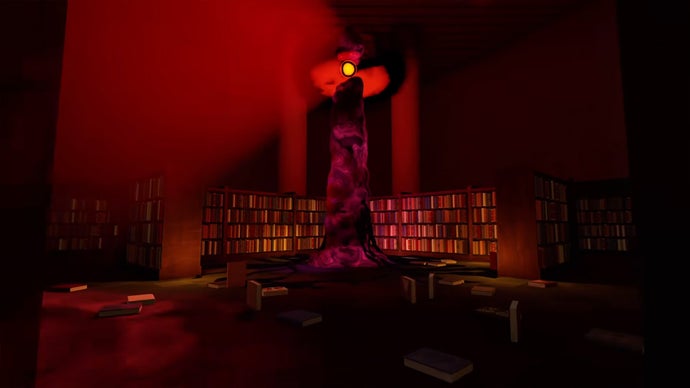
The Silent Hill series has one of those worlds that I just struggle to conceptually place in a contemporary setting. Sure, that’ll partially be down to when the original four games were released, but seeing a faux iPhone in The Short Message just felt wrong to me. So I’m quite pleased by the fact that Silent Hill: Townfall is set in the ’90s, replacing the games’ iconic radio with a portable CRT. And in doing so, its devs were able to use that now nostalgic tech against us, so say the devs themselves.

Read more

Uncategorized

Pragmata Developers Investigated Utilizing Bob Hairstyles for Enhancing Hair Rendering Expenses

**Title: The Creative and Technical Hurdles of *Pragmata*: An In-Depth Examination of Character Aesthetics and Motion**

In April, Capcom’s *Pragmata* made a memorable debut in the gaming industry, receiving widespread acclaim from both reviewers and gamers, along with notable sales figures. Set within a sci-fi adventure reminiscent of the PS3 era, *Pragmata* represents a blend of artistic vision and technological advancement. Nevertheless, the development journey faced several obstacles, particularly concerning the creation of one of its primary characters, Diana.

*Pragmata* focuses on the escapades of Hugh, an engineer outfitted in heavy space attire, alongside Diana, a youthful android garbed in ample clothing evoking Patagonia. The game melds a traditional storytelling framework with detailed elements that immerse players in an enchanting space saga. A standout element of this title is its employment of the RE Engine, which has been maximized to achieve an exceptional degree of realism in character animation. Notably, the animation of Diana’s hair features nearly half a million animation points, ensuring meticulous attention to each individual strand.

Capcom’s developers identified early in the concept art stage that Diana’s cascading locks could present a major technical obstacle. Given the Moon’s low-gravity setting, the animated movement of her hair created difficulties in maintaining performance across different platforms and technical specifications. In gameplay, Diana’s hair acts not only as a striking visual element but also as a critical factor in the game’s rendering prowess. Presentations, such as one at this year’s CEDEC, showcased alternative hairstyles that might have simplified the rendering demands, including shorter, bob-style cuts that would lessen the intricacy of hair animation.

Ultimately, the choice was made to keep Diana’s abundant hair, conveying a “sense of life on the Moon,” as deemed essential by the development team. This decision underscores their commitment to character depth and resonance with the game’s atmospheric motifs, reinforcing the notion that Diana’s design encapsulates the essence of exploration and adventure within the lunar environment. Fortunately, the additional processing power required for this choice did not impede the overall gameplay quality, enabling *Pragmata* to thrive as a fresh entry in Capcom’s lineup, bolstered by a combination of remakes and sequels providing a financial safety net for groundbreaking endeavors.

In summary, *Pragmata* stands as a testament to Capcom’s commitment to both technological progress and artistic authenticity, making sure that character design not only fulfills visual expectations but also aligns with narrative goals. The decision to reject a bob cut for Diana exemplifies the balance developers must navigate between practicality and creative character development, establishing *Pragmata* as a significant offering in the gaming domain.

Uncategorized

Affordable Game Bundle: Support Laid-off Game Developers with Nearly 150 Titles for Just $10

I don’t need to tell you how badly the games industry is doing, right? Badly in the sense of a handful of people desperate to continue making millions are laying off workers by the tens of thousands, with a new layoff story seemingly every week, of course. There’s money to be found, just not for those putting in the work. With so many out of work, Necrosoft, the studio behind Demonschool, have decided to do their bit to help out by putting together a bundle of almost 150 games where the proceeds will go towards the game industry hardship fund.

Read more

Uncategorized

Did You Know Gaming Questions Metacritic’s Rating for Ocarina of Time, Challenging Its Status as the Top-Rated Game

**The Metacritic Score Discussion: Reevaluating The Legend of Zelda: Ocarina of Time**

Since its launch in 2001, Metacritic has emerged as a central platform for consolidating review scores across various media, especially video games. Among its most distinguished titles is *The Legend of Zelda: Ocarina of Time*, celebrated as a benchmark of gaming excellence, achieving an almost perfect score of 99. However, the legitimacy of this rating has faced scrutiny, sparking conversations about the reliability of Metacritic’s score aggregation techniques.

Metacritic gathers ratings from a multitude of approved sources, averaging them into a composite score out of 100. This approach has been criticized for its occasional inconsistency, particularly regarding games released before the site’s creation. *Ocarina of Time*, which debuted in 1998, is one such example. Despite its historical importance and cultural significance, the method used to calculate its score has led to doubts about its authenticity.

The YouTube channel Did You Know Gaming (DYKG) recently highlighted this concern, asserting that Metacritic’s methodology for calculating *Ocarina of Time*’s meta-score is flawed for two main reasons. Firstly, they point out that Metacritic failed to incorporate reviews from all relevant sources, which could have offered a more accurate depiction of the game’s reception. Notably, *Game Informer* and *Nintendo Power*—essential publications that awarded the game strong scores—were excluded from the final count. In contrast, scores from less reputable sources or those lacking numeric ratings were accounted for, raising issues about the consistency and fairness of the retrieval process.

The second area of dispute centers on the inclusion of reviews that did not provide a numerical score but did offer subjective praise for the game. DYKG contends that these reviews without scores should not affect the overall score, as they do not represent critical consensus in the same way that numeric scores do.

According to DYKG’s evaluation, if suitable adjustments were applied, *Ocarina of Time*’s score would be recalibrated from 99 to a rounded score of 98. This seemingly insignificant change would place *Ocarina of Time* in a more competitive second position, alongside other critical successes such as *Grand Theft Auto IV* and *Super Mario Galaxy 2*. The significance of this adjustment underscores a broader narrative regarding the influence and authority of Metacritic in shaping public opinion and industry standards.

While Metacritic is certainly a beneficial starting point for assessing critical consensus, DYKG stresses the necessity of individual preference and the importance of engaging with various critics and outlets to discover viewpoints that align more closely with personal tastes. The aggregation model, though efficient, can only provide a generalized perspective, potentially masking the intricacies of any specific work’s value.

In summary, while *Ocarina of Time* continues to be a legendary title within the gaming community, the ongoing dialogue regarding its Metacritic score serves as a reminder of the complexities inherent in game reviews and the importance of critical reflection. This conversation encourages industry professionals, critics, and gamers to consider not just the figures but also the narratives and contexts that inform them. As gaming advances, so too must the frameworks we employ to evaluate its artistic significance.

Uncategorized

Final Fantasy 7 Revelation Director Discusses Ending the Remake Trilogy and Upcoming DLC Expectations

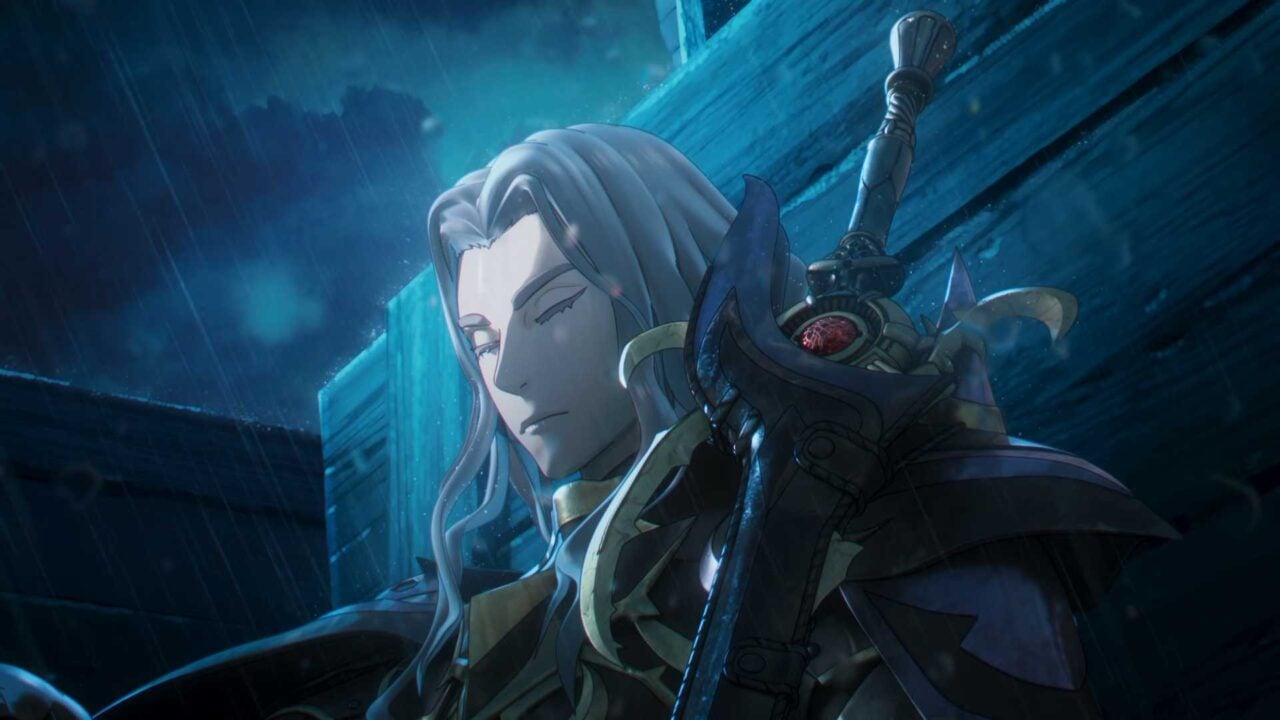
Final Fantasy 7 is the game that never seems to end. That’s not just because the original PS1 release is filled with things to do, it’s because of the subsequent follow-ups that came as part of the Final Fantasy 7 Compilation. It’s also because of the whole remake thing that Square Enix has been doing over the past few years, with the third part, Revelation, due out next year. And as hard as it might be to believe, according to director Naoki Hamaguchi, this really will be the end. For the remake trilogy, at least. More or less.

Read more

Uncategorized

Leak of Game Freak’s “Beast of Reincarnation” Disclosed by Pirates Three Days Prior to Official Launch

**Beast of Reincarnation: An Insight into Game Freak’s Upcoming Title and Its Unfortunate Leakage**

*Beast of Reincarnation*, the eagerly awaited action RPG from Game Freak, is set for its official debut on August 4 for PlayStation 5, Xbox Series S/X, and Steam. However, it has come to light that the game has already surfaced online, with reports indicating that unauthorized users are presently engaging with it.

This leakage has been extensively discussed across several piracy-centric forums, including the DODI Repacks Discord channel and the r/Piracy and r/PiratedGames subreddits. The details concerning how the game found its way to these unauthorized players remain vague, though speculation suggests that preloading mechanisms on Steam may have enabled pirates to bypass the title’s restrictions.

### Initial Feedback from Pirates

In spite of the circumstances relating to its leakage, some individuals who have accessed *Beast of Reincarnation* have shared their gaming experiences. One user noted smooth performance while utilizing the ROG Ally X handheld, claiming, “Intro area runs at around 30-40fps medium settings at 1080p taau performance. Didn’t drop below 30fps thus far. No shader compilation at the start but I didn’t encounter any stutters so far hmm. And it looks great! Good soundtrack too.” This favorable review stands in stark contrast to another user’s experience on a high-end PC, who lamented that the game “is running like garbage,” averaging 70-80fps with DLSS Ultra Quality at 4K max settings on a 9800x3d and 5070ti graphics card, while noting the lack of frame generation options.

### Background of the Leak

While the initial gameplay reviews vary considerably, it is essential to recognize that these observations stem from pirated copies, which are frequently affected by technical discrepancies that may not accurately represent the final product’s performance. Given the impending launch of the game, many are hopeful for upcoming patches and optimizations that might enhance gameplay stability and visuals.

The leakage of *Beast of Reincarnation* is not a singular event. This year has already witnessed several prominent AAA titles falling into the hands of pirates ahead of their official release dates. Titles such as *Lego Batman: Legacy of the Dark Knight*, *Forza Horizon 6*, and *Subnautica 2* have all been reported as having been cracked and briefly made accessible before their scheduled launches.

### Reaction from Game Freak and Fictions

So far, neither Game Freak nor the publisher of *Beast of Reincarnation*, Fictions, has issued any formal comment regarding the leakage. The community is keenly awaiting any statements or steps that may be taken in response to this breach, as developers typically strive to uphold market integrity and protect against piracy.

### Final Thoughts

As the launch date for *Beast of Reincarnation* draws near, the gaming community watches with great interest. The divergent experiences reported by early players underscore the uncertainty often linked with pirated game versions. Beyond the ethical dilemmas associated with piracy, it acts as a stark reminder of the challenges developers encounter in a time when digital distribution can be susceptible.

Uncategorized

The Implications of Stop Killing Games’ Victory: Insights from Anthem, SpaceCraft, and Warframe Developers on Reverse Engineering Always-Online Games

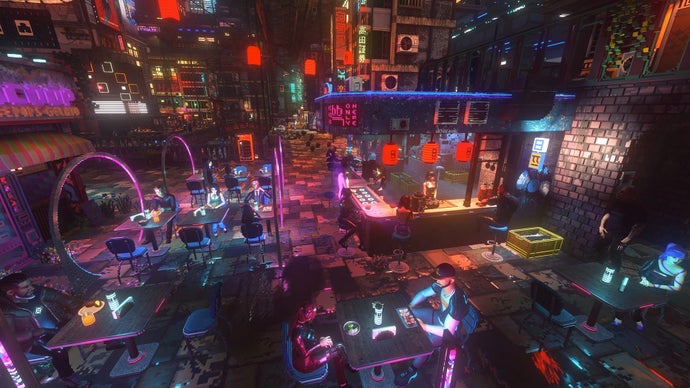
Sci-fantasy shooter Warframe is the sexy cyborg fruit of 13 years of updates and expansions, encompassing scores upon scores of quests, areas, plotlines, systems and characters, together with a huge quantity of player-made art. Much of Warframe’s original design still exists within the game, however tweaked and refreshed: the developers have removed a few larger chunks, including the underloved PvP raids, but they’ve mostly sought to polish up aspects that have lost their lustre, while playing out stories that range from spacey self-referentiality to commentary on indentured work. Currently, the studio are reworking Banshee, a sonic avenger who formed part of the Warframe launch roster way back in 2013.

“I know the Warframe team has been talking about bringing back raids, and doing stuff with that,” the game’s original design director Scott McGregor told me, at this year’s Tennocon expo. “But overall, there’s a lot of stuff from Warframe that’s been in there for a long, long time. For better or for worse. I think, as a team, instead of mostly turning it off, we either improve it, or we replace it with something better.”

Read more

Uncategorized

Netflix Confronts $105 Million Lawsuit Regarding Lost Master Copy of Unreleased Nicolas Cage Movie Stemming from Theft of Drives

**Netflix Faces $105 Million Lawsuit Over Stolen Master Copy of Nicolas Cage Film ‘Fortitude’**

Netflix finds itself in a legal predicament in a federal court in California, contending with a lawsuit demanding around $105 million. This legal action has been initiated by Simon Afram, the writer and producer of the eagerly awaited film *Fortitude*, featuring Nicolas Cage. The conflict emerged after Netflix conceded that a master copy of the film was taken during the theft of a significant quantity of drives from its Sunset Bronson Studios office in Los Angeles.

Reports from *The Hollywood Reporter* indicate that Afram and his production company, Op-Fortitude, officially filed the lawsuit against Netflix on July 30. The master copy of *Fortitude*, a war-themed film set in World War II, had been personally delivered to Netflix’s Los Angeles office on June 15, following the company’s expressed interest in securing the distribution rights for the film.

In an email dated June 25 from Sean Berney, Netflix’s Head of Film Acquisitions, the streaming platform confirmed the incident: “This is a first for us… Unfortunately, someone stole a good amount of drives from our office desks this past week. We’ve been working through this with our security teams to no luck. Our piracy teams are on high alert with the breach and will monitor.”

The lawsuit contends that Netflix failed to engage the Los Angeles Police Department in its internal inquiry regarding the theft. On the other hand, Netflix has opted not to make any public statements concerning the active lawsuit, but the company’s legal representation criticized Op-Fortitude’s claims as a “hostile attempt to extort money.”

Currently, *Fortitude* does not have a confirmed release date, largely because the film lacks a designated distributor, a situation further complicated by the theft of the master copy. The producers assert that the theft jeopardizes their potential to sell the film to another distribution entity. Significantly, as of now, the film has not appeared on torrenting platforms, and no possible suspects in the theft have been identified.

This lawsuit underscores the growing concerns regarding security measures and intellectual property rights in the digital era, especially within the entertainment sector. As streaming services continue to expand, the imperative of protecting creative content becomes increasingly vital.